Guest Post: It Takes A Leader: Successful Integration of Combat Arms

Today’s guest post comes from Barefoot Boomer. Boomer is a career Army officer and strategist. He is also a historian with an emphasis in American and German military history.  The content and opinions of this article are the author’s only and do not reflect the opinions of the United States Army or the Department of Defense. Prologue:  …

No More Task Force Rogue Ones: A Tactical Analysis of the Raid on Scarif

Disclaimer: this should not be read as not wanting more Rogue One-type movies; we need more Star Wars films like this. Also: SPOILERS. There's a common phrase that you're apt to hear in discussions on Army readiness: "No more Task Force Smiths." For reference, Task Force Smith was a rapidly cobbled together unit of infantry and artillery …

Warfighter: Toad Hall

How Wind in the Willows can teach us about small unit actions in warfare. That sound? Oh, that’s just the clunking of heads hitting desks, as people react to their beloved childhood book being brought under the scrutiny of the military microscope. But really, we’d be doing an injustice to that mighty asymmetric warfighter, the …

War as a Human Endeavor: How do we train for that?

“War is a human endeavor—a fundamentally human clash of wills often fought among populations. It is not a mechanical process that can be controlled precisely, or even mostly, by machines, statistics, or laws that cover operations in carefully controlled and predictable environments. Fundamentally, all war is about changing human behavior. It is both a contest …

Taking Care of Soldiers: What Does that Mean?

Cover photo: Gen. Vincent K. Brooks, U.S. Army Pacific commanding general speaks with a Soldier currently training on the Gulkana Glacier near Black Rapids, Alaska, March 10, 2015. (Sean Callahan/US Army) Taking care of Soldiers. That’s a favorite catch-phrase used by leaders, usually of the sergeants major variety, to describe any number of things: extra duty, …

Stop Calling Us Warriors

If you've been in the Army longer than five minutes, you've probably been called "warrior" already. Or maybe "hero," usually used sarcastically when referring to basic trainees. But "warrior" is not used sarcastically. We have the "Best Warrior" competition. Soldiers injured in combat or in training go to "Warrior Transition Units." Thankfully, training for new …

5 Common Things Military Servicemembers Do that Only Make Sense to Them

With Thanksgiving coming up this week - and your imminent return home to see your dear beloved family with whom you have not visited since the recent election - we here at Angry Staff Officer thought you might enjoy a short reprieve before you are forced to have an actual face-to-face discussion about politics with …

Combined Arms Breaching: From Helm’s Deep to Mosul

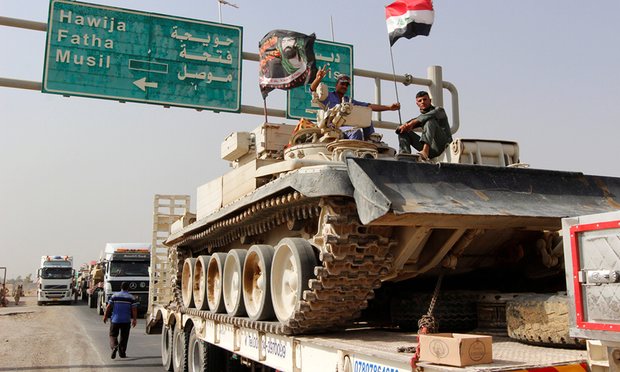
“I approve of all methods of attacking provided they are directed at the point where the enemy’s army is weakest and where the terrain favors them the least.” - Frederick the Great The Battle for Mosul is now just about one month old, as Iraqi Security Forces - bolstered by Coalition air and artillery support …

What can Fallout 4 Teach us About Veterans Day?

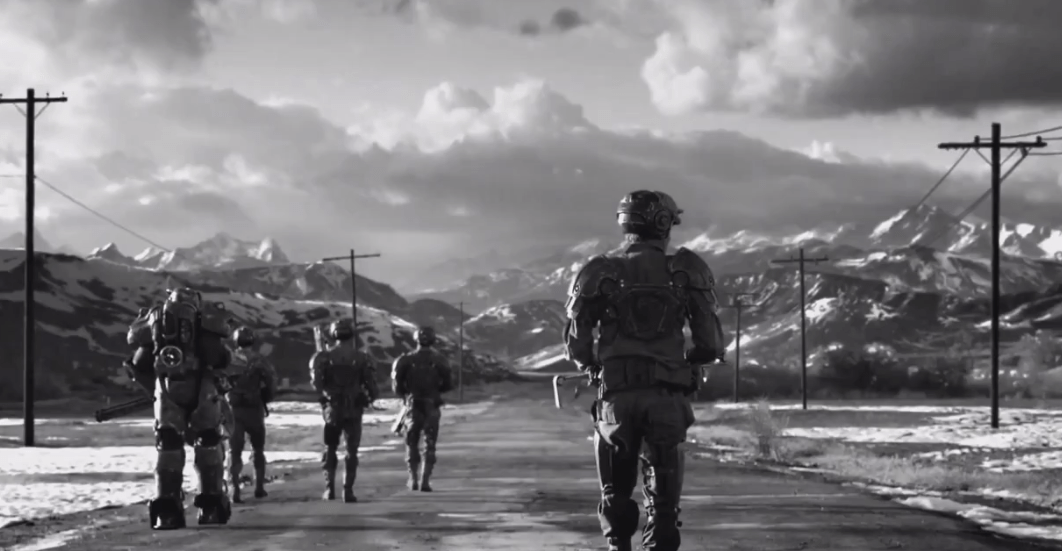
It’s Veterans Day. Which means a proliferation of “thank you for your service” posts across social media from civilians which will be matched by the “I’m so special that you can’t understand my service,” posts from some – not all – veterans. This is what experts would say is indicative of the civilian-military divide that has …

Warfighter: Middle Earth

When I think of the six warfighting functions I always think of J.R.R. Tolkien's The Lord of the Rings. What, you don't? Let’s be honest, one does not immediately think of fantasy or science fiction when conversations turn to Army doctrine. Most vignettes that are used to make the subject understandable to the lowly minds of …